
2023-present
In this project, we examine the role and potential of spoken dialogue technologies and large language models in supporting both the practice and assessment of oral interaction in second and foreign languages. The project focuses in particular on interactional and pragmatic competence, as well as on the automated evaluation of adult L2 learners’ oral skills.

2024-present
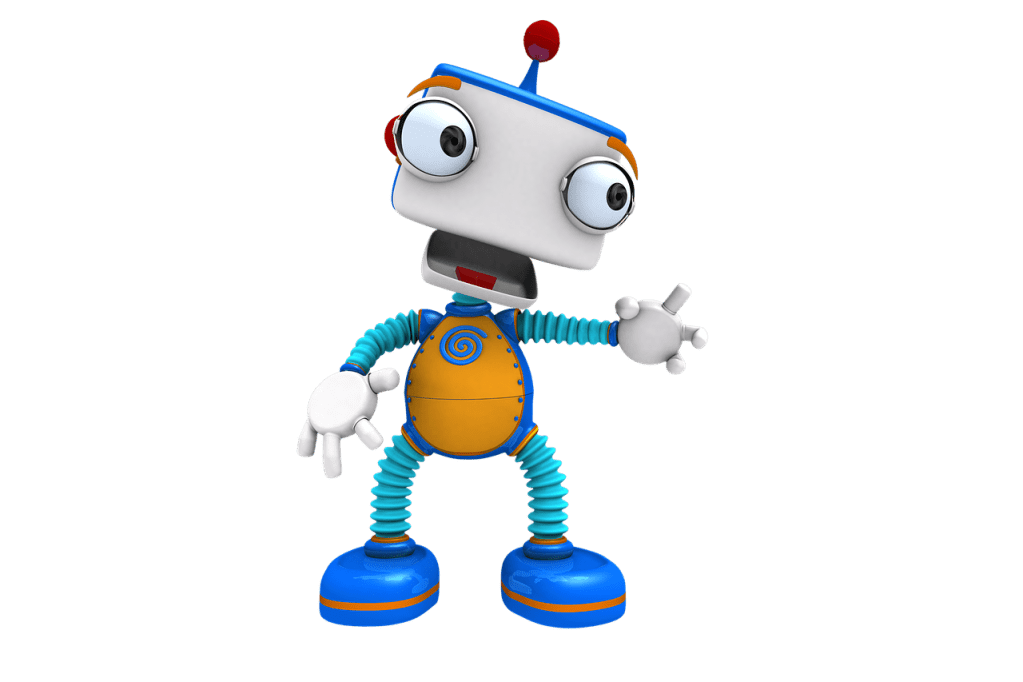
In this project, we explore how Gigi, a multilingual social robot, supports peer interaction, language sharing, and early literacy in multilingual kindergarten classrooms. In a field study, we currently investigate Gigi’s impact on language use and group cohesion during STEM learning. The project aims to inform AI-assisted translanguaging and culturally sustaining practices in early-childhood education.
2022-present
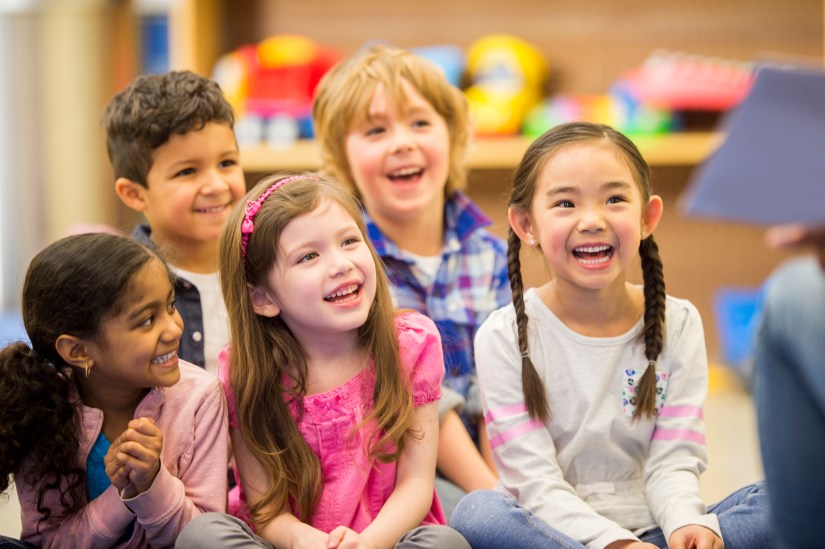
We are conducting research with preschools and kindergartens across the Northeastern United States to get a better understanding of what is happening in early childhood education classrooms (3-6 year old learners) relative to multilingual learning, social emotional learning, and the use of technology.
2022-2023
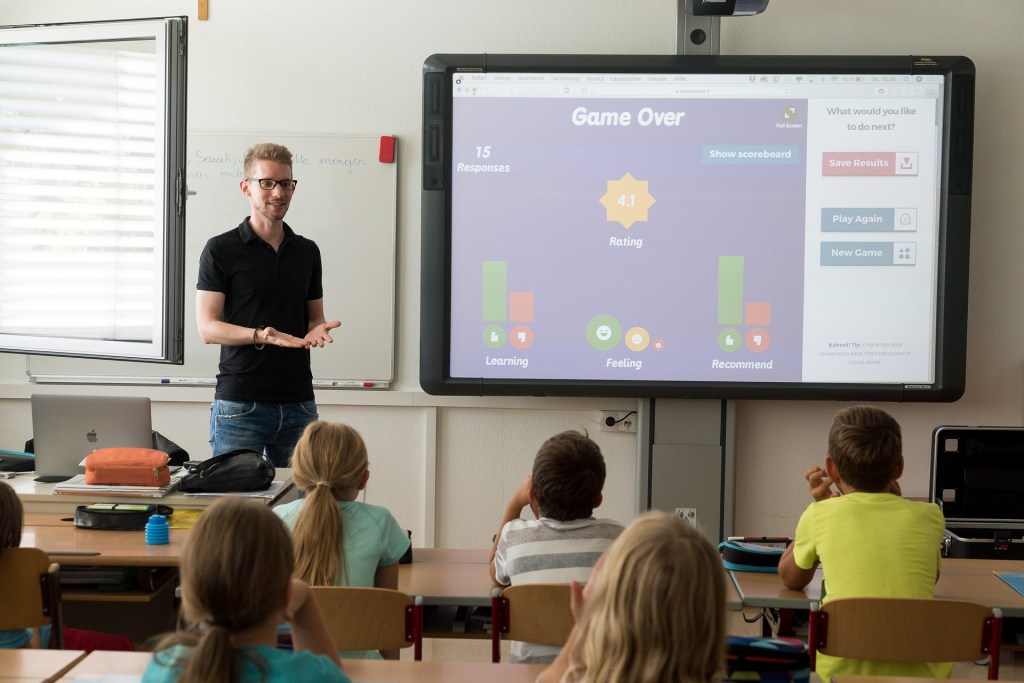
In this project, we explored pragmatics learning in English as a foreign language (EFL) classrooms in primary schools. We are analyzing teaching and learning materials, video-recordings of lessons, and teacher interviews to investigate which pragmatic phenomena play a role for 7-10 year old learners.
2021-2023
This is an Erasmus Plus grant project, in which we investigate how the large-scale, standardized assessments included in the TOEFL® Young Student Series can drive and promote high-quality English language instruction. Click here for sample research from this project.

 Veronika Timpe-Laughlin